5 Outdated Modern Tray Decor Ideas You Should Break Immediately
This site contains affiliate links. I may earn a commission at no extra cost to you.
Discover modern tray decor ideas that break the rules of rigid, symmetrical styling without sacrificing your living room’s personality.
For years, tray styling has been dominated by stiff formulas that make homes feel like cold hotel lobbies. Why does every setup need a geometric triangle? Who decided decorative orbs were mandatory?
We’re flipping the script on 5 outdated conventions so you can build a surface that actually works for morning coffee and movie nights:
- Ditch rigid symmetry: Swap forced balance for natural grouping.
- Prioritize real function: Make room for items you actually use daily.
- Ditch generic fillers: Replace mass-produced knick-knacks with textured, personal accents.
Ready to trade design dogma for effortless style? Let’s dive in.
Rule #1: The “Rule of Three” is Out; The “Cluster” is In
Traditional styling guides push the “Rule of Three”, arranging three objects of varying heights into a neat triangle. The problem with this approach to modern tray decor ideas is that it is fragile.
Life is dynamic, not static. The moment you toss down your keys or grab the remote, that rigid triangle collapses, leaving your space looking cluttered rather than curated.
What to Do Instead: The “Living Cluster”
Modern tray styling shifts the focus from forced height variance to density and texture. Instead of a geometry textbook diagram, aim for an organic, relaxed arrangement that embraces asymmetrical balance.
- The Heavy Anchor: Place a chunky wood bowl or heavy ceramic catch-all slightly off-center to ground the composition.
- The Leaner: Lean a small art print or framed photo against the back edge instead of stacking books flat. This adds a vertical line without stiffness.
- The Organic Element: Add a single branch in a bud vase or a piece of driftwood to break horizontal lines and introduce natural movement.
- Asymmetrical Grouping: Group items in clusters of five or seven. Larger odd numbers feel abundant and intentional, whereas three often feels sparse.
- Intentional Negative Space: Leave one side of the tray open. Showcasing the tray’s natural material creates a far more sophisticated look than crowding the surface.
Rule #2: Ditch “Dust Collectors” for Functional Sculpture
Generic glass spheres and metal knots exist purely to fill space. They are the ultimate clutter traps, serving no purpose while quietly accumulating dust and making your home feel dated.
What to Do Instead: Functional Art
The latest wave of modern tray decor ideas prioritizes items that earn their keep. Swap non-functional filler for beautiful, high-utility objects that you actually use daily.
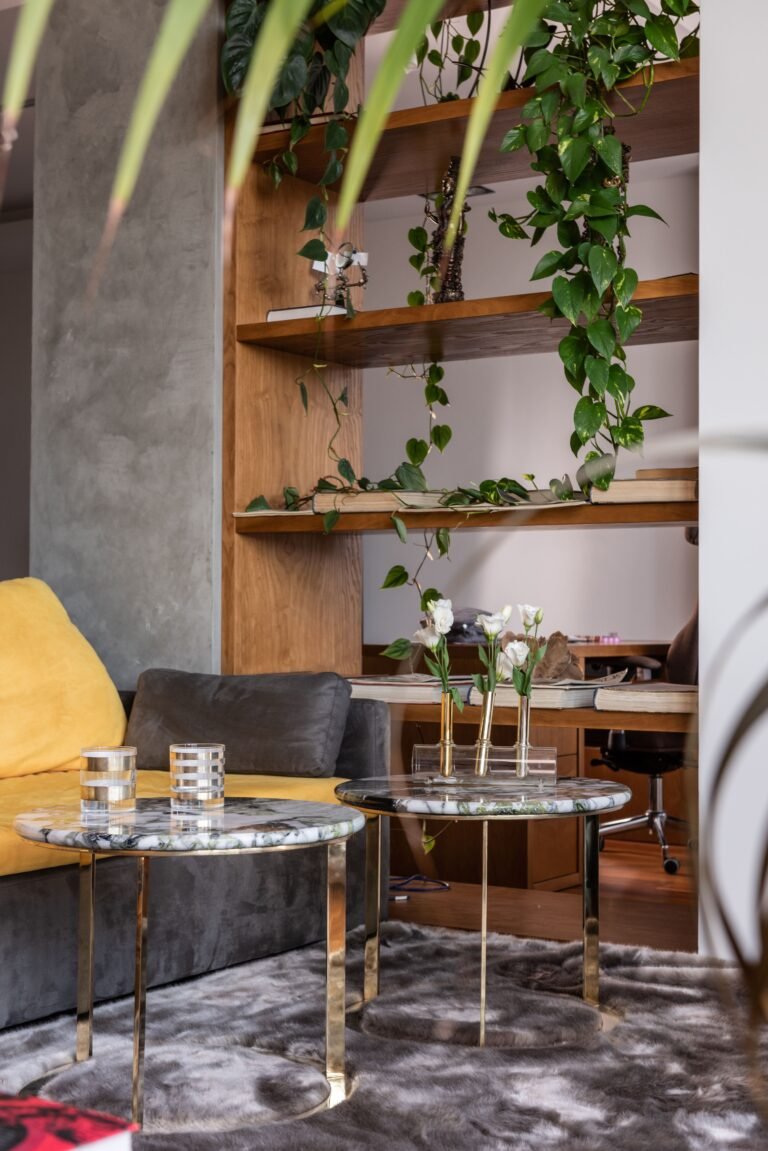
- The Sculptural Coaster Stack: Layer marble, brass, or travertine coasters. They add natural texture and essential height while protecting your coffee table.
- The Vintage Lighter: Swap plastic matchbooks for a heavy vintage tabletop lighter. It acts as a metallic statement piece that easily lights candles or the fireplace.
- The “Lived-In” Candle: Skip pristine, unburnt pillar candles. Burn them regularly; a candle with melted wax and a darkened wick adds instant warmth, character, and comfort.
- Heirloom Utility: Opt for well-crafted tools like a brass magnifying glass, a polished marble vessel, or antique brass scissors over mass-produced trinkets.
Rule #3: Trade Cold Symmetry for Visual Weight
Mirror-image styling, placing identical items on both sides of a central vase, makes a living room feel stiff, intimidating, and overly formal. Perfect symmetry creates a museum-like display that feels too delicate to use.
What to Do Instead: Balance Visual Weight
Modern tray styling focuses on balancing visual “heaviness”, mixing color, material density, and scale rather than matching identical shapes.
- Anchor One Side with Mass: Stack dark, dense items (like deep-toned art books or a heavy stone catch-all) on one side to ground the layout.
- Offset with Height and Lightness: Balance that heavy base on the opposite side using a tall, airy element—such as delicate dried stems or a single branch in a slim vase.
- Mix Contrasting Textures: Pair dense materials (marble, raw stone, dark wood) with light, soft elements (linen napkins, clear glass, pale Ceramics) to build visual rhythm.
- Focus on Curated Contrast: Avoid buying matched sets. Let your collection look like it was gathered naturally over time rather than purchased all at once.
Rule #4: Ditch Display Books for Real Reads
Pristine, color-coordinated art books on topics you don’t read look stiff and inauthentic. Buying oversized hardcovers purely for aesthetic appeal turns your coffee table into a set piece rather than a living space.
What to Do Instead: Curate Your Personal Library
Modern tray styling celebrates authenticity. Use the books, magazines, or journals you actually enjoy reading to make your setup feel lived-in and inviting.
- Expose the Under-Cover Texture: Strip dust jackets off hardcovers to reveal the rich linen, cloth, or foil-stamped spines underneath.
- Vary the Layout: Avoid static, flat stacks. Place two paperbacks horizontally and lean a third vertically against them for a relaxed, layered look.
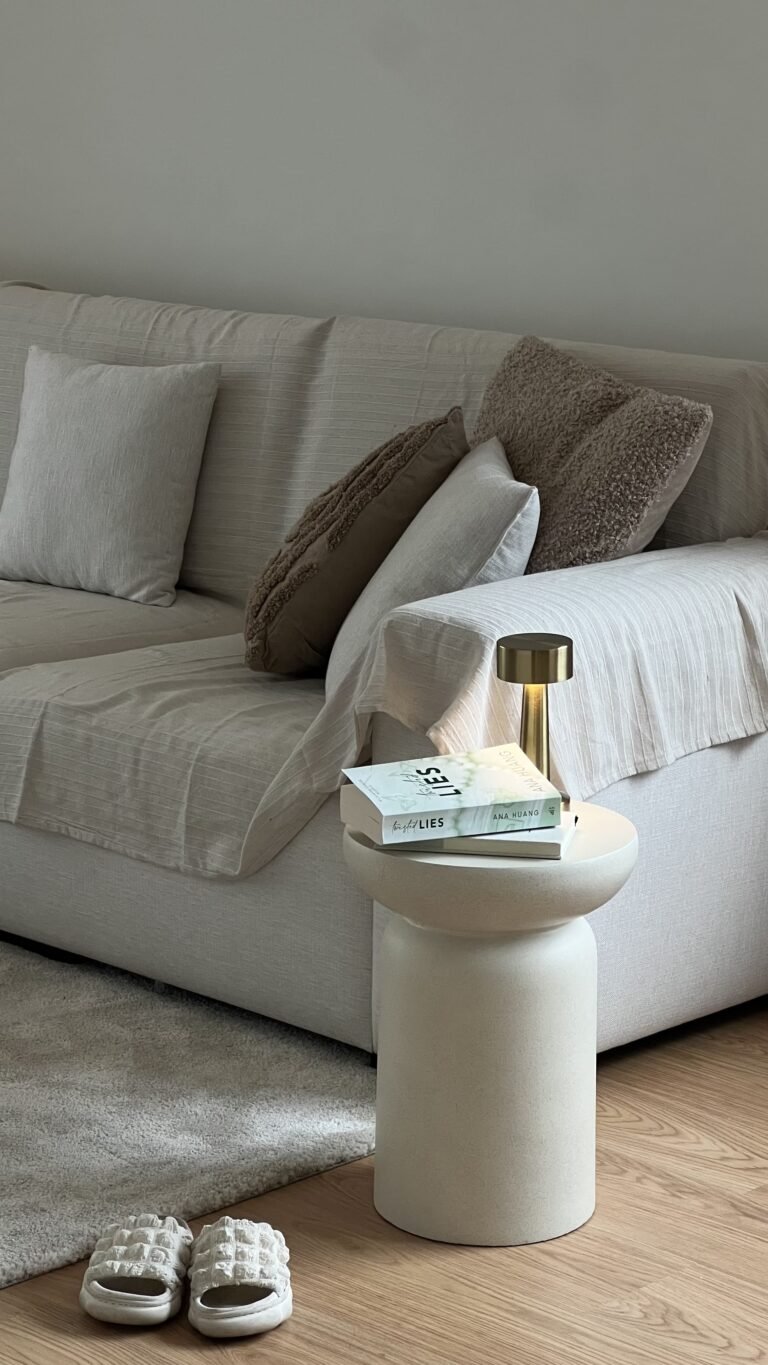
- Try the “Open Book” Detail: Rest a book face-down on the tray as if you just stepped away. This subtle touch adds effortless warmth and signals a comfortable, utilized room.
- Showcase Personal Interests: Swap generic coffee table books for dog-eared novels, local field guides, or art paperbacks that reflect your real passions.
Rule #5: Swap Invisible Trays for Bold Centerpieces
Neutral marble, polished gold, and plain wood slabs have dominated tray styling for years. Treating the tray as a background player misses a prime opportunity to introduce rich color, dynamic texture, and sculptural shape to your room.
What to Do Instead: Let the Tray Be the Art
The latest modern tray decor ideas make the tray the primary statement piece while keeping the styling minimal and intentional.
- Explore Sculptural Materials: Look beyond simple wood. Choose high-gloss saturated lacquer, fluted ceramics, or chunky resin to add tactile interest.
- Anchor with Rich Color: Use deep hues like oxblood red, cobalt, or forest green to ground a neutral living room without committing to colorful furniture.
- Choose Organic Shapes: Ditch rigid rectangles for scalloped edges, oversized squares, or fluid, asymmetrical silhouettes.
- Embrace the Minimalist Tray: High-impact trays do not need to be crowded. Leaving a striking tray nearly empty, or holding a single daily item, creates a clean, confident statement.
The “Anti-Styling” Move: When to Skip the Tray Entirely
Sometimes the most modern design choice is leaving the tray off the table altogether.
If your coffee table features striking craftsmanship, such as a sculpted glass base, a fluted pedestal, or a live-edge wood slab, adding a tray hides the very surface you want to showcase.
What to Do Instead: Surface-Direct Decor
Allow the natural material and grain of your furniture to act as its own canvas by styling items directly on the table.
- Place Items Directly: Set a low bowl, a single heavy vase, or a short stack of books directly onto the wood or stone surface.
- Let the Table Breathe: Avoid covering every square inch. Generous open space highlights the architecture of the piece.
- Focus on Purpose: Use a tray only when it improves organization or protects delicate surfaces, never just to fill space.
Conclusion: Create a Space That Fits How You Live
Breaking these traditional styling rules is about more than just rearranging objects; it is about rejecting rigid design rules that prioritize perfection over real life.
You do not need to buy a whole new set of decor to elevate your space. Instead, rethink how you use the pieces you already own:
- Audit Your Tray: Identify items you keep purely out of habit versus objects that bring real function or personality to the room.
- Embrace Daily Use: Leave your current read open, burn the candle down to the wick, and keep everyday essentials within easy reach.
- Prioritize Personal Style: Let your layout reflect your habits, comfort, and character rather than a rigid interior design formula.
Design should support how you live, not force you to live around it.
Which of these outdated styling rules are you ready to break? Drop a comment below, or share a photo of your updated, lived-in tray setup with us!