8 Modern Professional Blazer Styling Secrets for a Powerfully Chic Work Wardrobe
This site contains affiliate links. I may earn a commission at no extra cost to you.
Mastering professional blazer styling is no longer about adhering to a rigid corporate dress code; it’s about using fluid, intentional combinations to telegraph quiet confidence.
The Evolution of Modern Workwear
- The Old Standard: Stiff, matching suits designed to mimic traditional boardroom norms, often constricting, uncomfortable, and restrictive.
- The New Reality: Competence no longer relies on heavy shoulder pads or scratchy fabrics to command respect.
- The Modern Goal: Balance executive presence with personal style, looking like you mean business without feeling like you’re in a costume.
Why the Blazer Remains Essential
- Versatility: Transition seamlessly between virtual meetings, stakeholder presentations, and hybrid office settings.
- Style Anchor: Serves as the ultimate foundation for a sharp, dynamic work wardrobe.
8 Strategic Styling Secrets You’ll Master
- Modern Proportions: Choose cuts and drapes that look updated rather than dated.
- Fabric Pairing: Mix unexpected knitwear, silks, and structured weaves.
- Tonal Layering: Master monochromatic palettes for instant visual sophistication.
- Elevated Tailoring: Pair oversized and tailored blazers with the perfectly draped trouser.
Read on to build a wardrobe as sharp and ambitious as your career goals.
Secret #1: The New Silhouette _ Relaxed Suiting
The era of the “shrink-wrapped,” waist-nipped jacket is officially over. Today’s professional blazer styling relies on volume, ease, and deliberate movement to create an effortlessly authoritative presence.
Mastering the Oversized Blazer
- The Fit Indicator: Aim for a shoulder seam that drops slightly past your natural shoulder bone.
- The Power Cue: A broader shoulder line paired with a straight vertical drop creates a long, lean column that elongates your frame.
- The Material: Opt for structured fabrics, such as heavy crepe, wool, or tweed, that hold their shape without collapsing.
Pairing with Wide-Leg Trousers
- Avoid the “Lollipop” Effect: Ditch skinny pants, which make a voluminous top look top-heavy and unbalanced.
- Embrace Full Cut Legwear: Pair oversized jackets with straight-leg or wide-leg trousers to balance proportions.
- Apply the Rule of Thirds: High-waisted trousers paired with a mid-thigh blazer divide your body into flattering proportions, instantly adding visual height.
Actionable Tip: Purchase a structured blazer one size up from your usual fit to anchor your modern wardrobe.
Secret #2: Tonal Dressing _ The “Quiet Luxury” Effect
If you want to look high-end without displaying logos, master head-to-toe tonal dressing. Wearing varying shades of a single color family instantly streamlines your silhouette while projecting intentional, effortless sophistication.
Why Tonal Dressing Works
- Streamlined Silhouette: Eliminates sharp visual breaks at the waist or ankles to elongate your frame.
- Polished Intent: Creates a curated, elevated aesthetic that signals thoughtful styling.
- Modern Flexibility: Eliminates the need for exact color matches; slight shade variations look far more contemporary.
Creating Depth Through Texture Play
Monochrome outfits need contrasting materials to prevent them from looking flat. Elevate your professional blazer styling by combining distinct textures:
- Base Layer: Smooth silk or fluid satin camisoles and blouses.
- Mid Layer: Structured wool, tweed, or tactile bouclé blazers.
- Bottom Layer: Sleek leather or heavy crepe trousers.
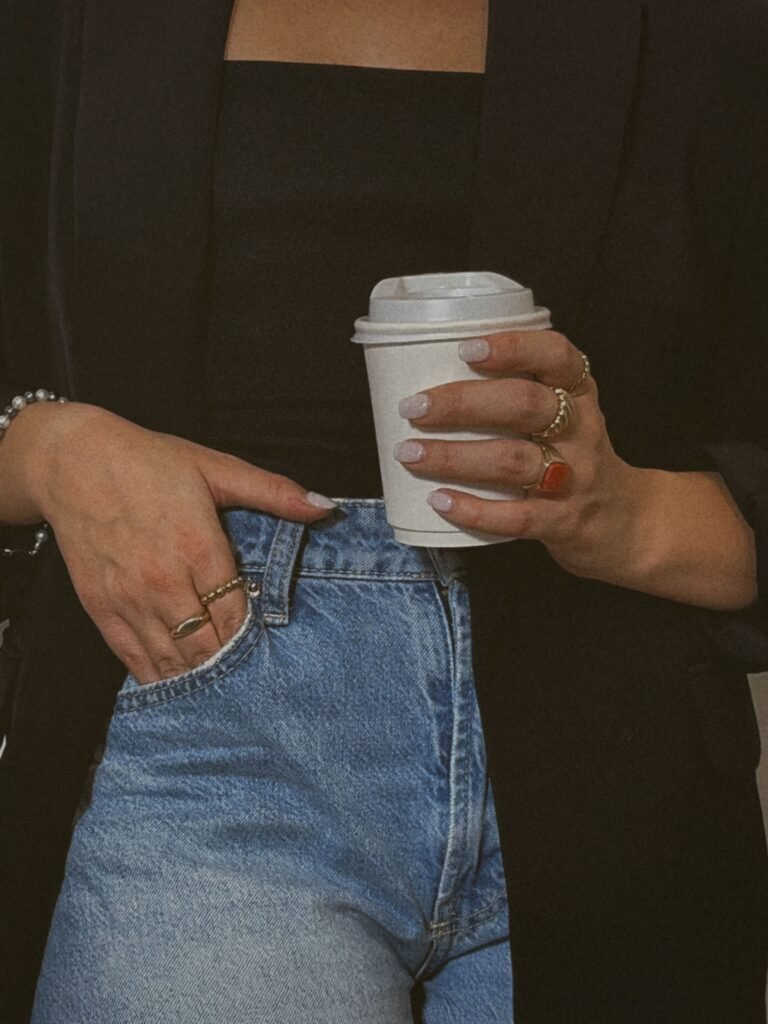
How to Style a Black Blazer
- Avoid Faded Matches: Pairing slightly mismatched, washed-out blacks looks unintentional.
- Introduce Contrast: Combine a saturated black blazer with deep charcoal grey trousers for a sharper, modern tonal drop.
Actionable Tip: Mix light and dark tones from the same color family (such as a light grey blazer over dark grey trousers) and prioritize heavier fabrics to give the outfit rich dimensional weight.
Secret #3: The Knitwear Pairing
Swapping stiff button-downs for fine knitwear instantly modernizes your professional blazer styling. This low-effort swap softens rigid tailoring while projecting “expensive ease”, keeping you comfortable without losing executive presence.
3 Key Knitwear Options
- The Fine-Gauge Turtleneck: A slim merino or cashmere turtleneck creates a sleek, continuous line from chin to hem, elongating the neck and exuding quiet authority.
- The Cashmere Crewneck: Provides a clean, minimalist contrast to sharp tailoring. For traditional settings, layer it over a collared shirt with cuffs and collar peeking through.
- The Knit Polo: Merges casual elements with high-end refinement. Pair it with textured or plaid blazers for modern, creative workplaces.
Why Knitwear Outperforms Shirts
- Superior Comfort: Eliminates gapping buttons, restrictive collars, and stiff fabrics.
- Streamlined Layering: Lies smooth beneath structured jackets without pulling or bunching.
- Refined Aesthetics: Softens sharp lapels for an approachable yet commanding look.
Actionable Tip: Stick strictly to fine-gauge fabrics (merino wool, cashmere, or silk-cotton blends). Avoid chunky cable knits, which bulk up the sleeves and ruin the jacket’s silhouette.
Secret #4: The Art of the “Third Piece” (The Vest)
The traditional three-piece suit has returned to executive wardrobes with a sharp, modern twist. Incorporating a vest elevates your professional blazer styling from standard office wear to a fully curated power look.
2 Ways to Style the Vest
- The Matching Vest: Wear a tailored vest in the exact fabric of your suit. For warmer days or high-movement environments, drop the blazer entirely; a standalone vest with high-waisted trousers creates a sleek torso line while maintaining executive polish.
- The Contrast Vest: Use the vest as an intermediate layering piece under a contrasting jacket. Pair a tweed vest beneath a solid wool blazer for rich texture, or a knit vest over a white shirt for a refined, preppy edge.
Key Benefits of the Third Piece
- Tailored Structure: Hugs the midsection to define your waist without feeling restrictive.
- Versatile Layering: Offers a polished intermediate layer when taking off your blazer during long meetings.
- Visual Depth: Break up monotone colors by inserting a subtle pattern or complementary tone in the middle layer.
Actionable Tip: Check the length before buying. Your vest should hit at or just below your hip bone; anything shorter risks looking outdated and visually cutting your waist in half.
Secret #5: Denim, But Make It Boardroom
Denim is now a hybrid-office staple, but executing it in a corporate environment requires a clear distinction between casual weekend wear and tailored “boardroom denim.”
Selecting the Right Wash
- Approved Shades: Dark indigo, pitch black, and clean white (for warmer seasons).
- Styles to Avoid: Rips, frayed hems, acid washes, heavy whiskering, or distressing.
Choosing Modern Cuts
- Straight-Leg: A timeless, structured option that balances any blazer frame.
- Wide-Leg: Complements oversized jackets by mirroring their relaxed volume.
- Slim Bootcut: Offers a flattering line that anchors structured tailoring and heel pairings.
Building “High-Low” Contrast
- Jacket Structure: Pair casual denim only with highly structured blazers made of dense wool, tweed, or crisp gabardine.
- Elevated Footwear: Finish the look with pointed-toe pumps, sleek leather ankle boots, or refined loafers to maintain a professional edge.
Actionable Tip: Combine a camel or cream structured blazer with dark indigo straight-leg jeans, then anchor the outfit with pointed-toe heels for an effortless executive uniform.
Secret #6: Draped Trousers and the “Flow”
Corporate trousers have evolved from stiff, rigid wool into fluid, moving silhouettes. Today’s professional blazer styling uses fabric movement to project effortless authority and refined elegance.
Choosing Fluid Fabrics
- Ideal Options: Heavy crepe, viscose, lyocell, and fluid wool blends.
- The Benefit: Skims the body to create an elegant, confident sway without clinging or adding unwanted bulk.
Balancing Structure and Softness
- Structured Top: Wear a firm, tailored blazer to anchor the outfit with executive presence.
- Fluid Bottom: Pair it with draped trousers to introduce modern softness and ease.
- The Golden Rule: Avoid matching stiff-on-stiff (which feels outdated) or fluid-on-fluid (which can look like loungewear); the contrast creates the style.
Hemline Guidelines
- Full Length: The hem should gently break over the top of your shoe for a sweeping, continuous leg line.
- Ankle Crop: Position the hem just above the ankle bone for a crisp, contemporary finish.
Actionable Tip: Ensure your trousers are tailored to the exact height of your preferred shoes; a hem that hits too high disrupts the fluid drape of the fabric.
Secret #7: The “Off-Duty” Layer (The Shacket)
Modern professional blazer styling expands past traditional tailoring by incorporating hybrid layers. Blurring the line between a shirt and a jacket, unstructured pieces fit seamlessly into relaxed corporate and hybrid settings.
Understanding the Shacket
- The Construction: Combines the relaxed cut of an overshirt with the structure of a mid-weight jacket.
- Key Fabrics: Opt for dense wool flannel, refined corduroy, or heavy cotton twill to maintain shape.
Styling Unstructured Tailoring
- The Casual Friday Uniform: Layer a navy or olive utility coat over a classic white tee, then pair with tailored grey trousers and clean, minimalist sneakers.
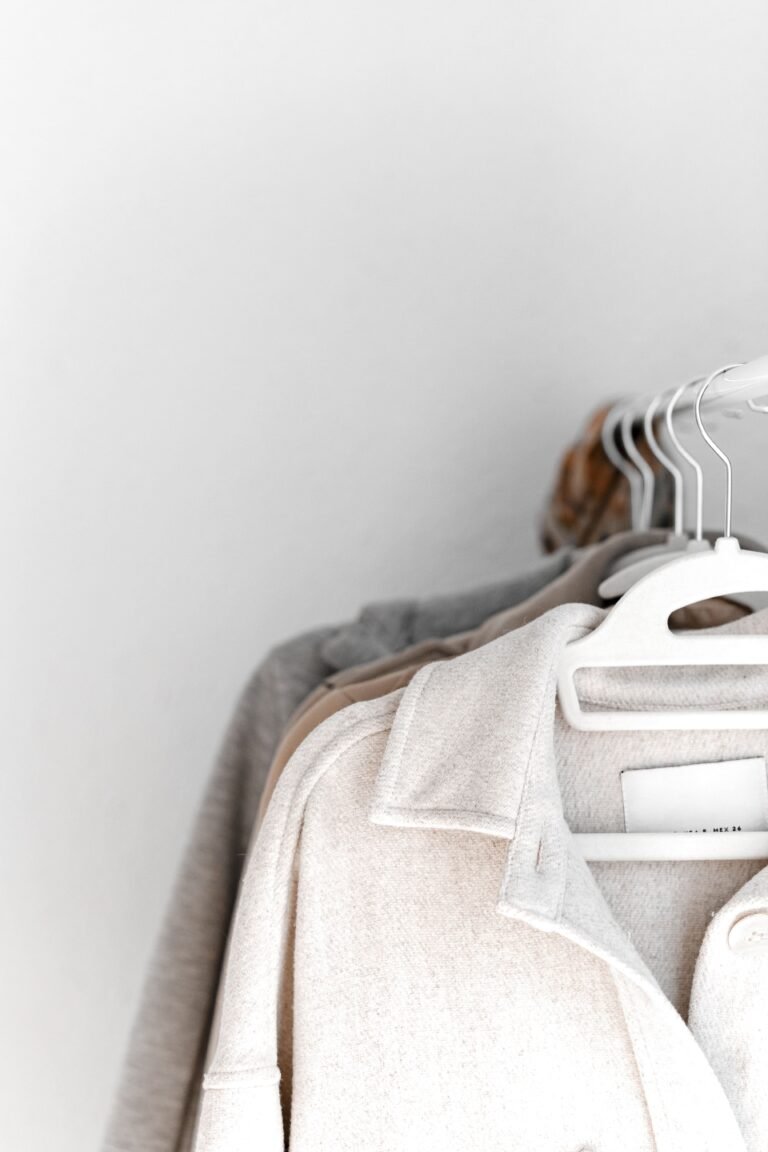
- Winter Layering Hack: Wear a slim chore coat underneath a heavier wool trench or oversized blazer for multi-layer depth.
Why It Works
- Signals Modern Authority: Demonstrates intentional styling over forced dress codes.
- Fills the Smart-Casual Gap: Keeps you looking polished without feeling overdressed in creative or tech-leaning office environments.
Actionable Tip: Stick to dark neutral tones (such as charcoal, navy, or deep olive) and refined hardware to keep hybrid jackets looking professional rather than rugged.
Secret #8: Accessorizing the Power Statement
Accessories complete the outfit; they are the details that turn a simple jacket into an iconic look. The wrong shoes or a heavy buckle can break an outfit’s balance, while deliberate finishing touches pull your entire professional blazer styling together.
Defining the Silhouette with Belts
- The Waist Cinch: Wrap a slim leather belt over an oversized blazer to create an hourglass shape and convert the jacket into a standalone top.
- Trouser Hardware: Stick to minimalist leather straps with subtle gold or silver buckles, avoiding large logos that draw attention away from the face.
Choosing Modern “Power Flats”
- Pointed-Toe Flats: Elongate the leg line to add sharp definition under straight trousers or midi skirts.
- Chunky Loafers: Heavy-soled leather loafers add a grounded, authoritative weight to balance wider trousers.
- Minimalist White Sneakers: Pair crisp, unbranded leather sneakers with drapey trousers for an effortlessly polished, modern look.
Streamlining Workplace Jewelry
- Earrings: Keep it clean with small gold hoops, solid studs, or simple geometric shapes.
- Necklines: Skip necklaces over turtlenecks; opt for a single delicate chain only when wearing open collars.
- Timepieces: Wear a classic watch or a smartwatch with a sleek leather or metal band to signal precision and structure.
Actionable Tip: When in doubt, wear a pointed-toe shoe. It instantly elongates your legs and sharpens any blazer outfit, even a simple T-shirt and dark denim pairing.
Conclusion: Redefine Your Power Uniform
The evolution of modern workwear has arrived. Professional blazer styling is no longer bound by stiff, uncomfortable corporate suits; it has become an intentional act of confidence, taste, and personal authority.
Key Takeaways from the 8 Secrets
- Embrace Modern Proportions: Shift from shrink-wrapped fits to relaxed, oversized silhouettes paired with fluid, high-waisted wide-leg trousers.
- Master Soft Power Fabrics: Layer rich fine-gauge knitwear, sleek vests, and tonal monochrome textures to build effortless visual depth.
- Elevate Casual Staples: Integrate boardroom-ready dark denim, hybrid shackets, and sharp pointed-toe power flats for modern hybrid work environments.
Your blazer is no longer just a jacket; it is the ultimate foundation for building a dynamic, modern work wardrobe that matches your ambition.
Which Styling Secret Will You Try First?
Do you prefer the quiet luxury of tonal dressing, or the elevated edge of boardroom denim? Share your favorite combination in the comments below, or tag us in your work outfit photos on Instagram. We want to see how you are redefining executive style!